Build Day 3: Engine Preparation

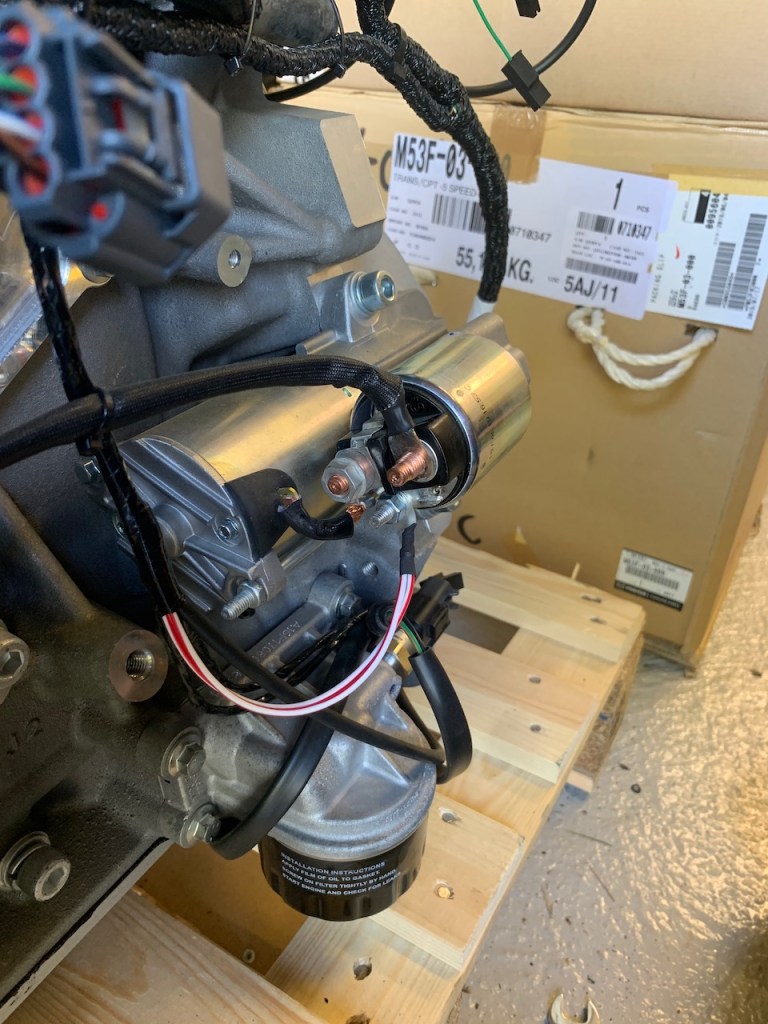
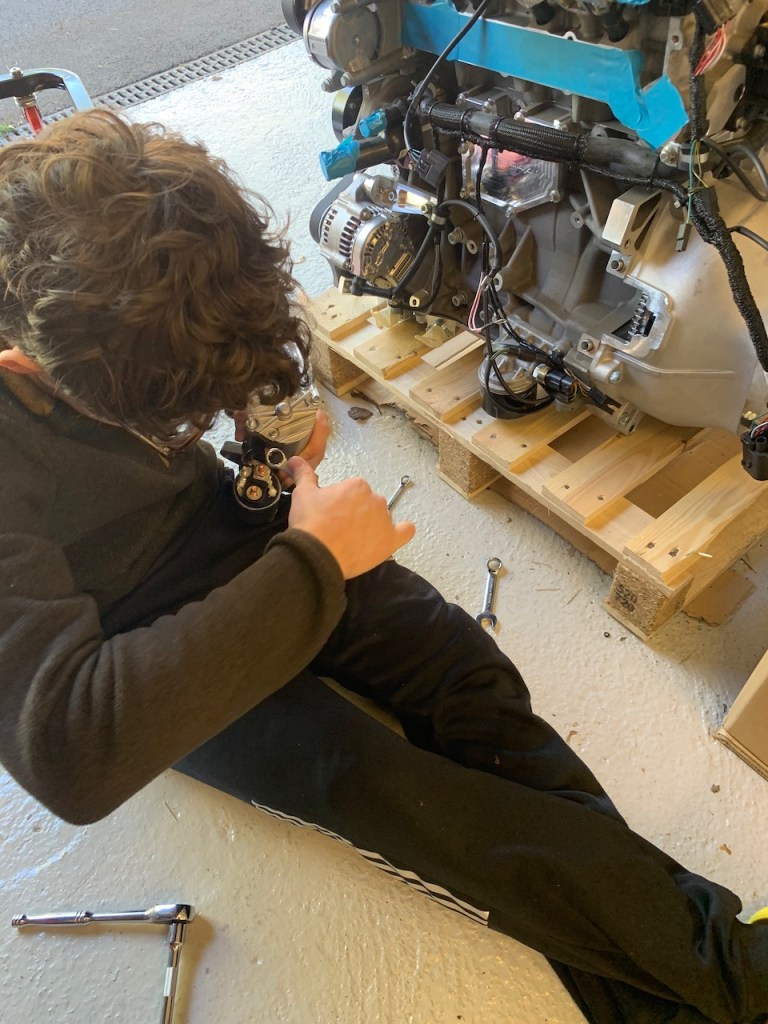
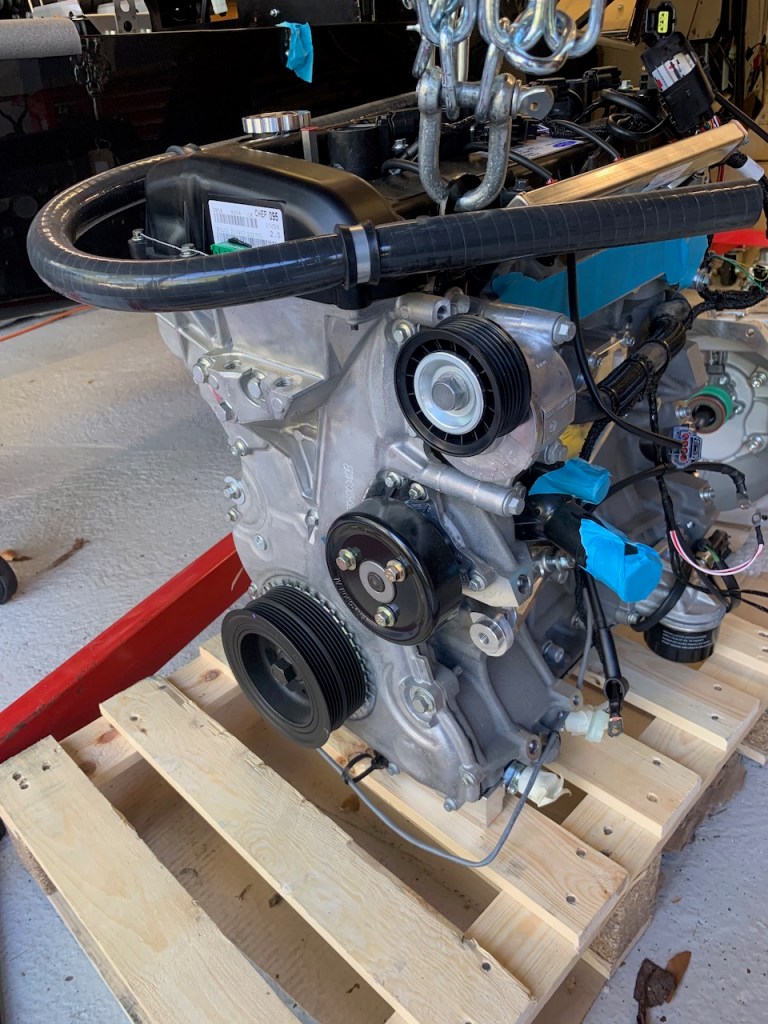
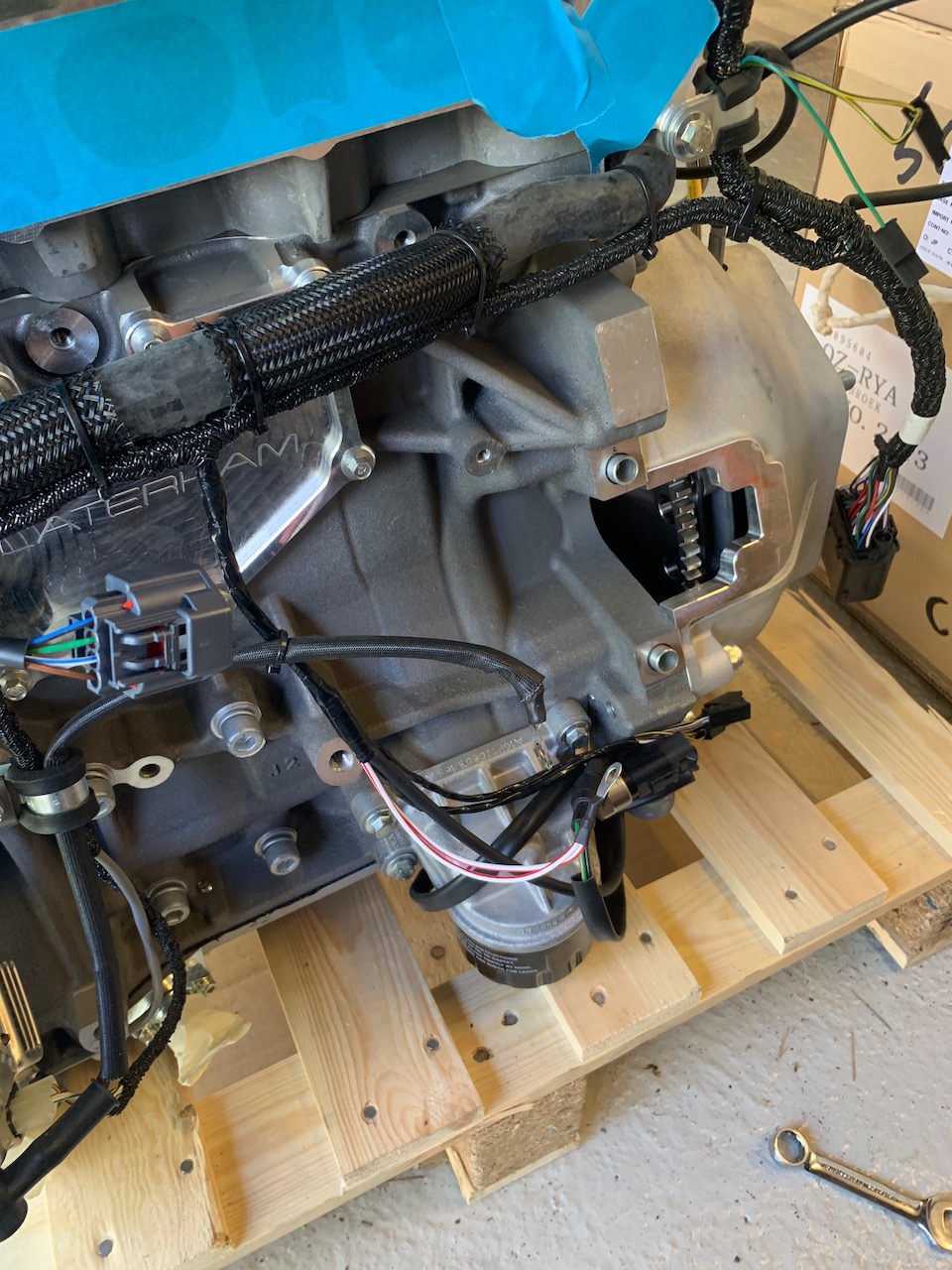
There are a few jobs to do to prepare the engine for installation, none of them are particularly difficult so most of the this post will be told using pictures.

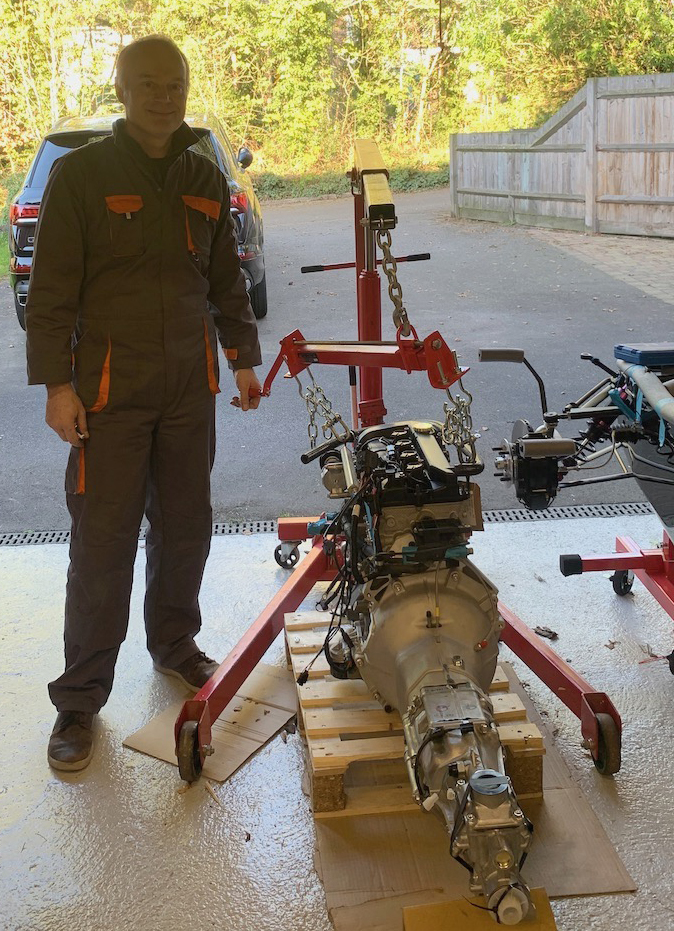
It is worth mentioning that an engine crane is essential and a load leveller is highly recommended. I have an engine crane from the GD427 build but decided to buy a load leveller for this installation as the clearances are really tight.

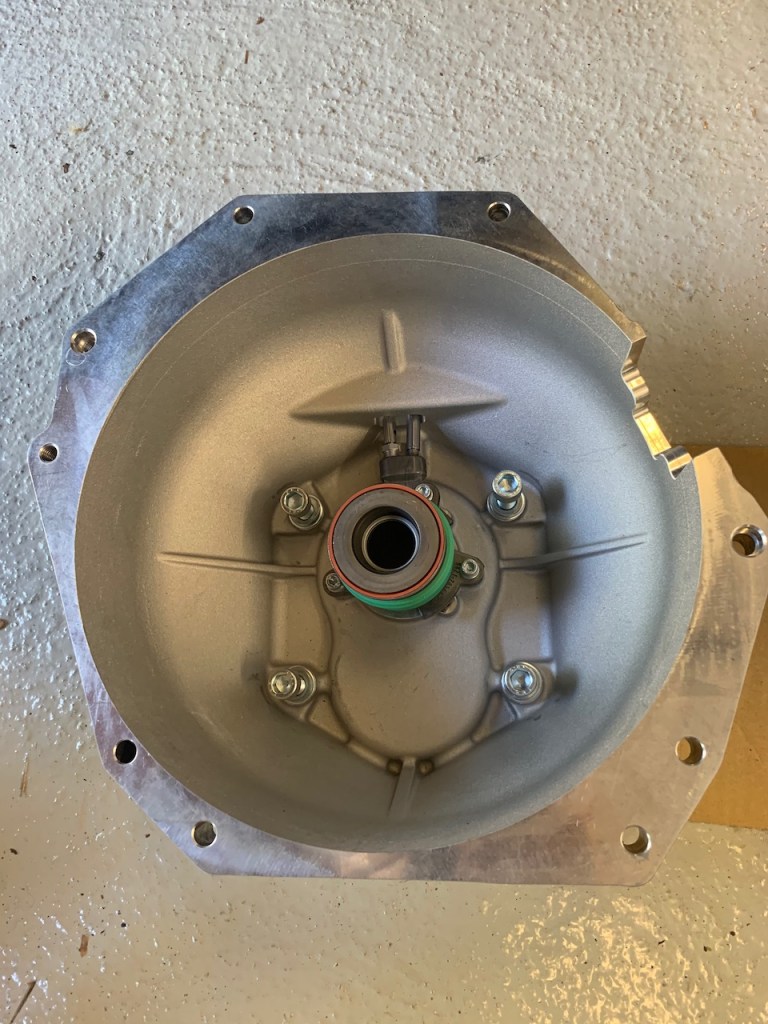
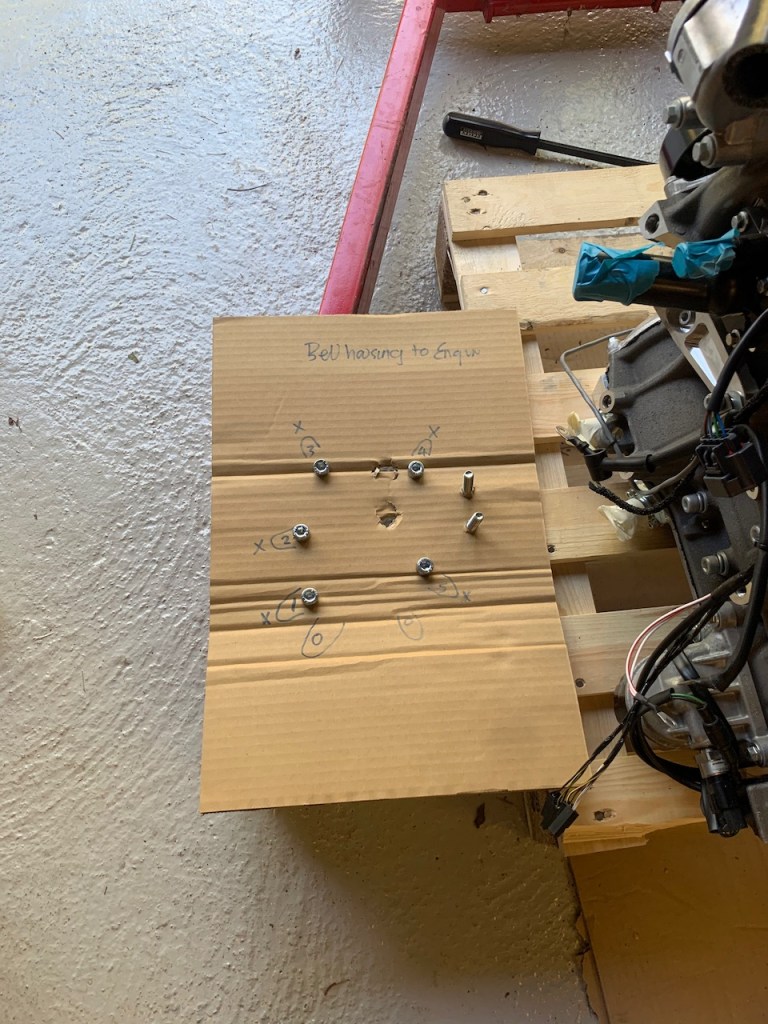
The bellhousing is held on by seven bolts and two dowels. Gentle tapping with a deadblow hammer and even gentler use of a pry-bar was necessary to split the bellhousing from the engine block.
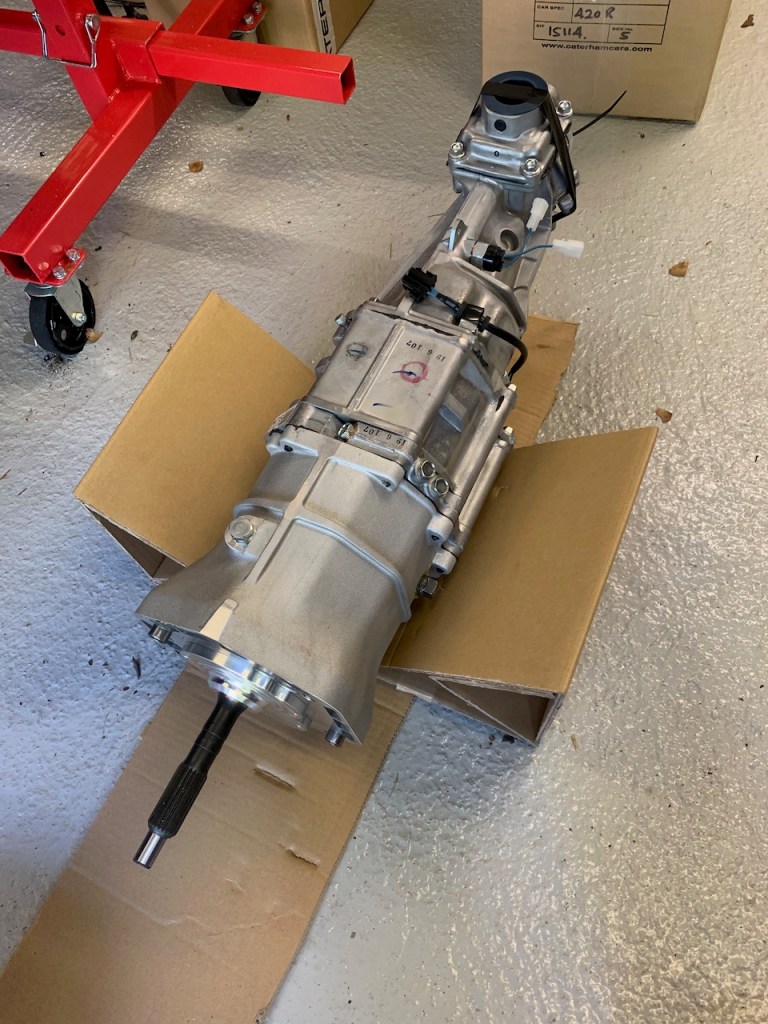
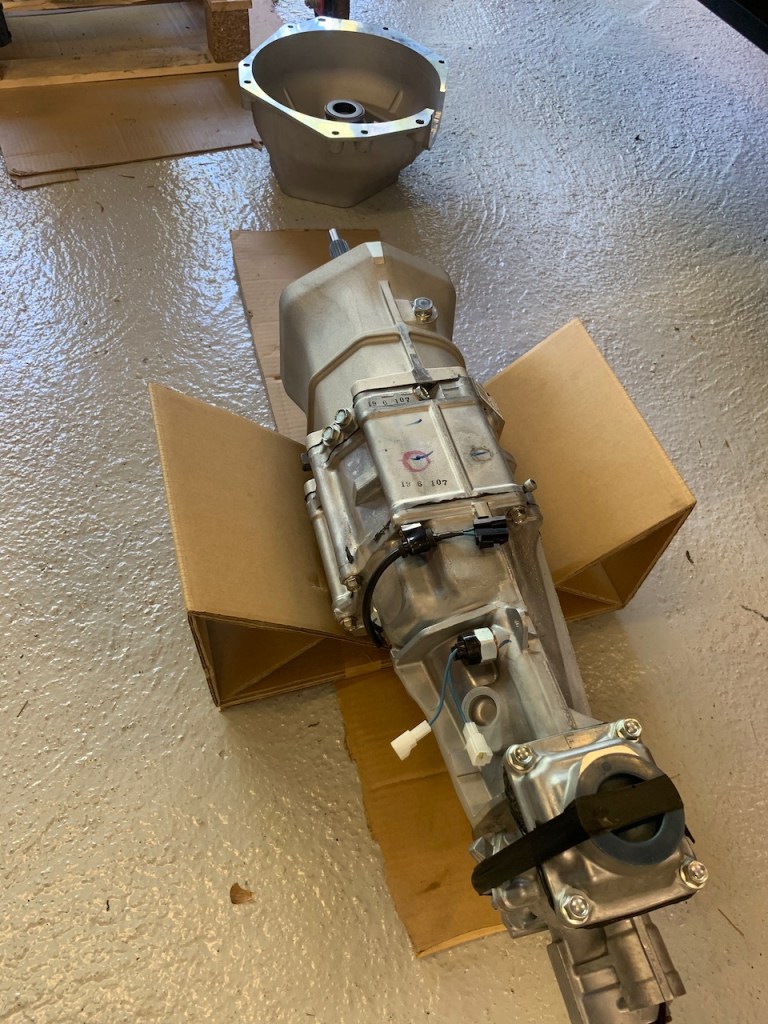
The four large cap head bolts needed to attach the gearbox to the bell-housing are pre-fitted at the factory. The bolts pass through the bell-housing and into the gearbox and are torqued up to 61Nm.

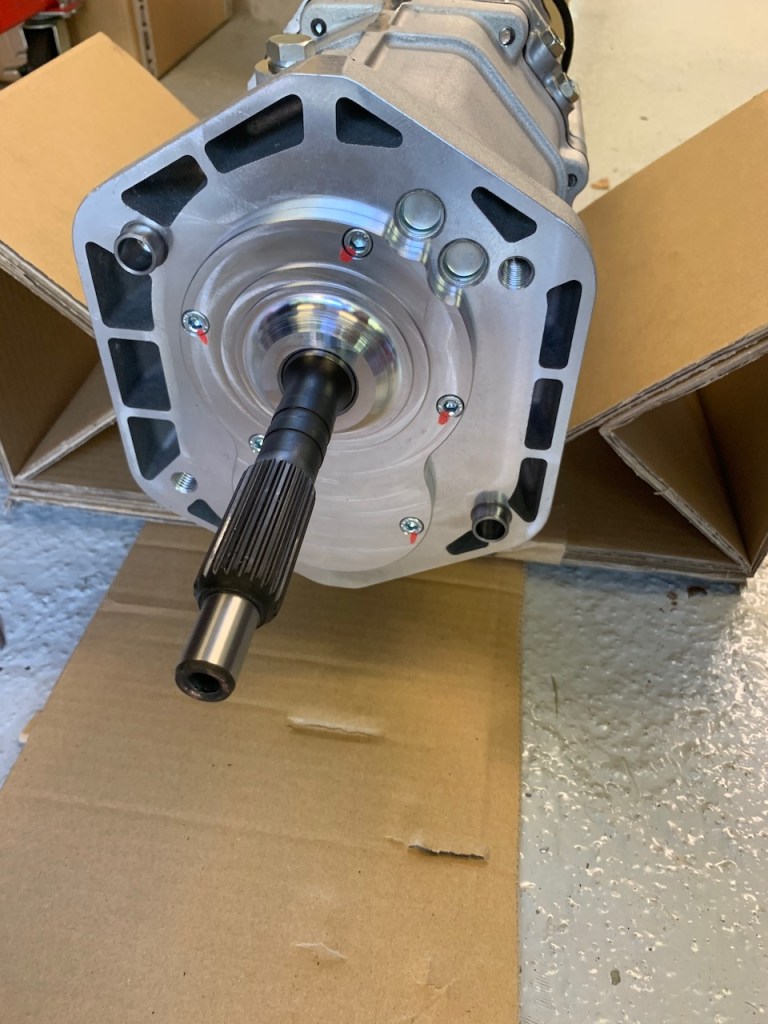
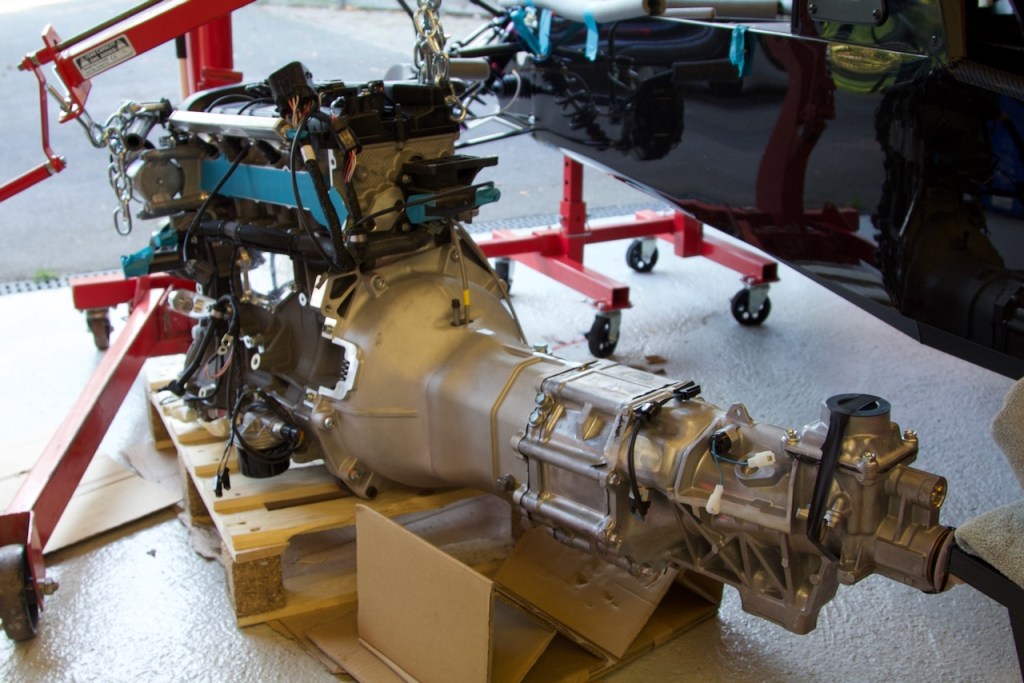
The next part is to mate the gearbox+bell housing to the engine block. This requires some brute force to lift the gearbox+bell-housing, insert the input shaft into the clutch plate and hope that the engine builders have aligned the clutch with the crankshaft pilot bearing (which they had). Once aligned everything slipped into place and the bell-housing was held by the locating dowels.

The seven bolts bell-housing bolts were refitted and and torqued to 47Nm. As the 420R has a dry sump a nylon skid plate also needs to be fitted to the bottom of the engine. The skid plate will be somewhere in the boxes supplied by Caterham and fastens using two cap-head bolts into the face of the bellhousing and two smaller bolts that go up into the dry-sump plate.

The final job of the day was to clean the threads on the engine mounts. These are rubberised and a fair amount of rubber finds its way into the threads so it is a good idea to run a tap through them at this stage.
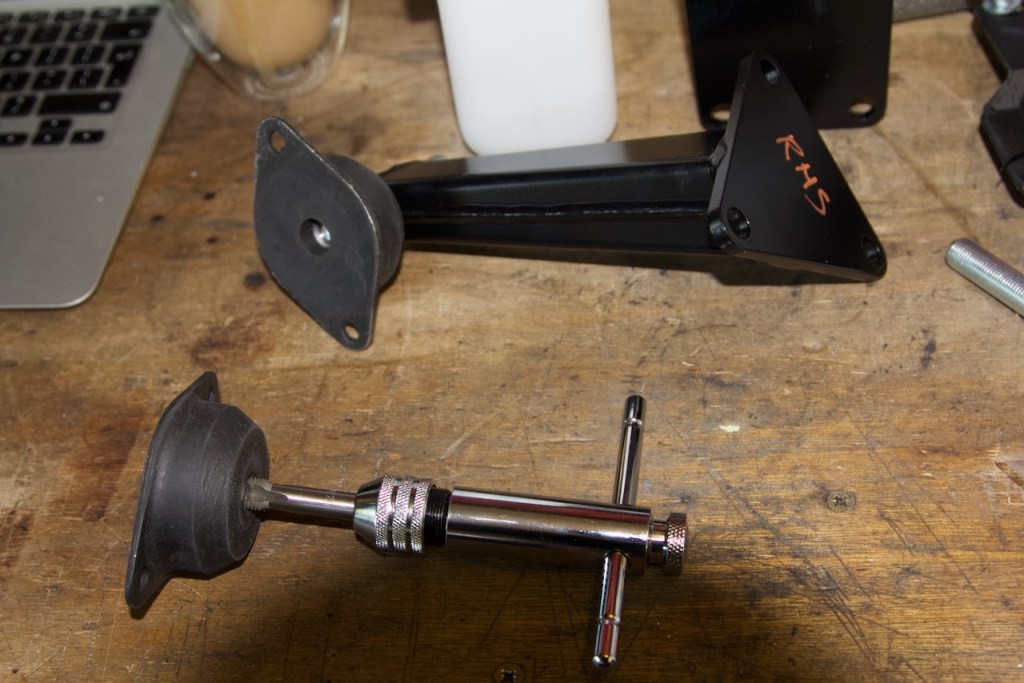
Chasing the threads on the engine mounts

Build Day 2: Front Anti-rollbar, Horns, Wingstays

Again there was nothing too complicated or difficult about these elements of the build.

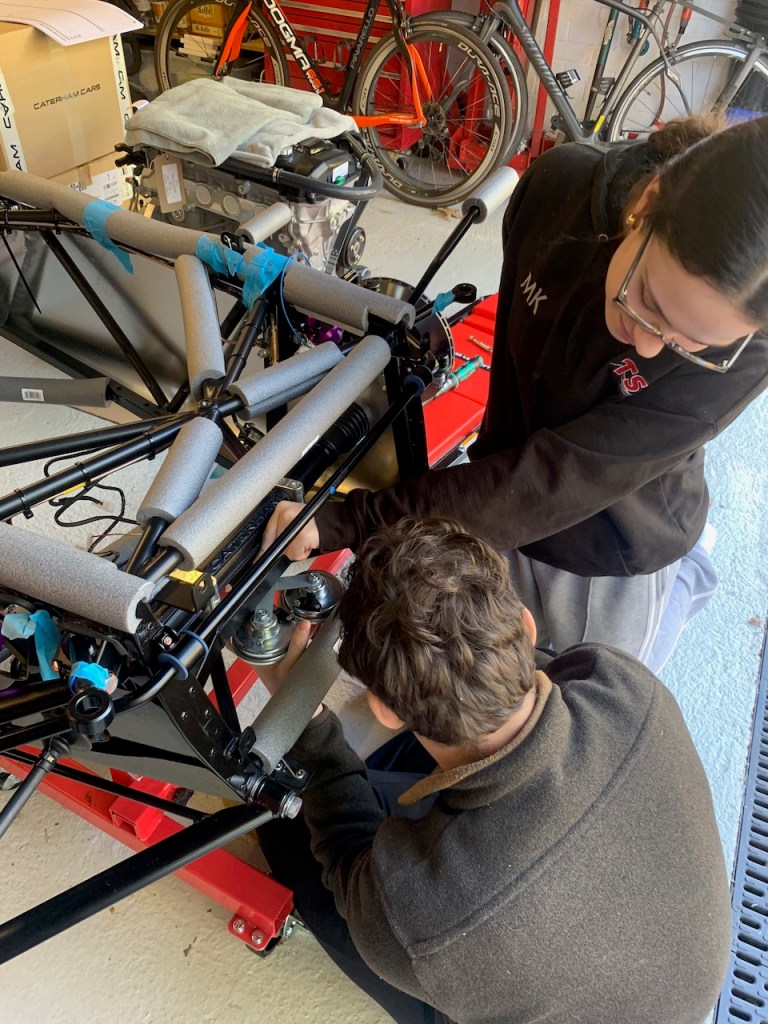
Front Anti-rollbar: The blue elastic bushings need to be inserted into their brackets and then this sub-assembly is slid onto the anti-rollbar (ARB) itself (silicone lubricant spray helps a lot).

The anti-rollbar boots need to go on next and I pushed all the parts to the centre of the ARB so that they would be out of the way and not damage the paintwork whilst we were manouevering everything into place.

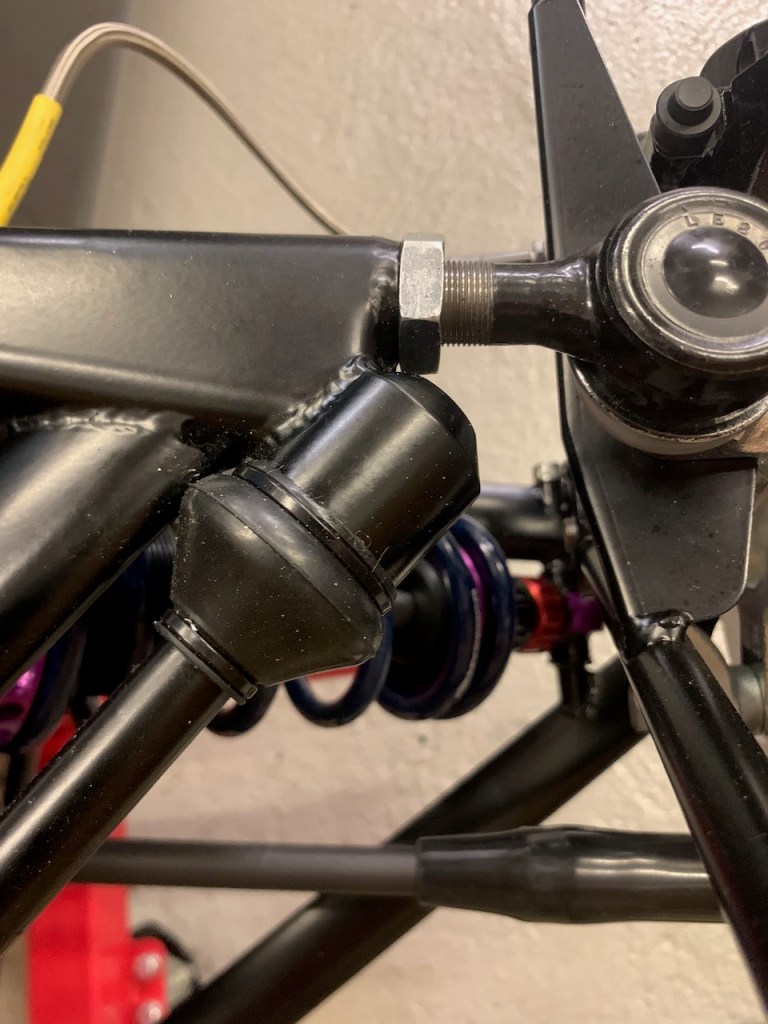
The plastic balls needed a small amount of de-burring with 400 grade wet and dry in order to fit into the wishbone cups. After that is was simply a case of putting a small amount of grease into the cups, inserting one end of the anti-rollbar into its cup and then doing the same with the other (the bar is quite springy and this required a lot less effort than I thought). With the anti-rollbar fitted all that was left to do was to move the bushings/brackets into position and bolt them in place. The final task is to put a liberal amount of grease over the ball/cup and then slide the boot into place. The boot sits in a groove on the wishbone cup and is held in place with two cable ties.

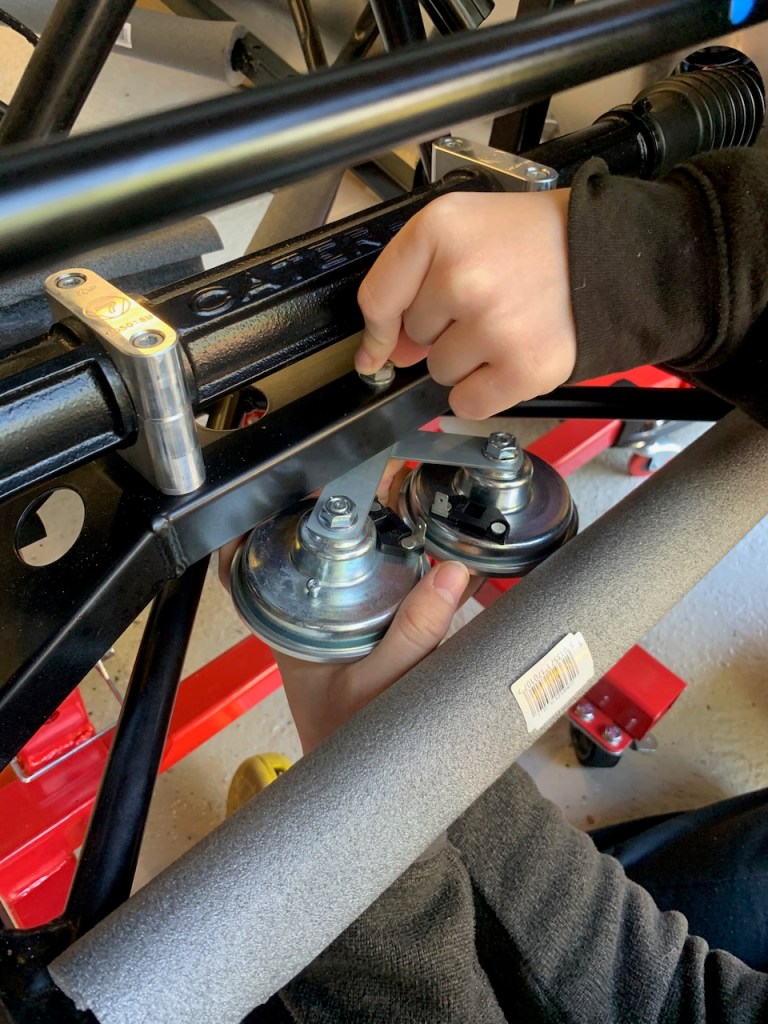
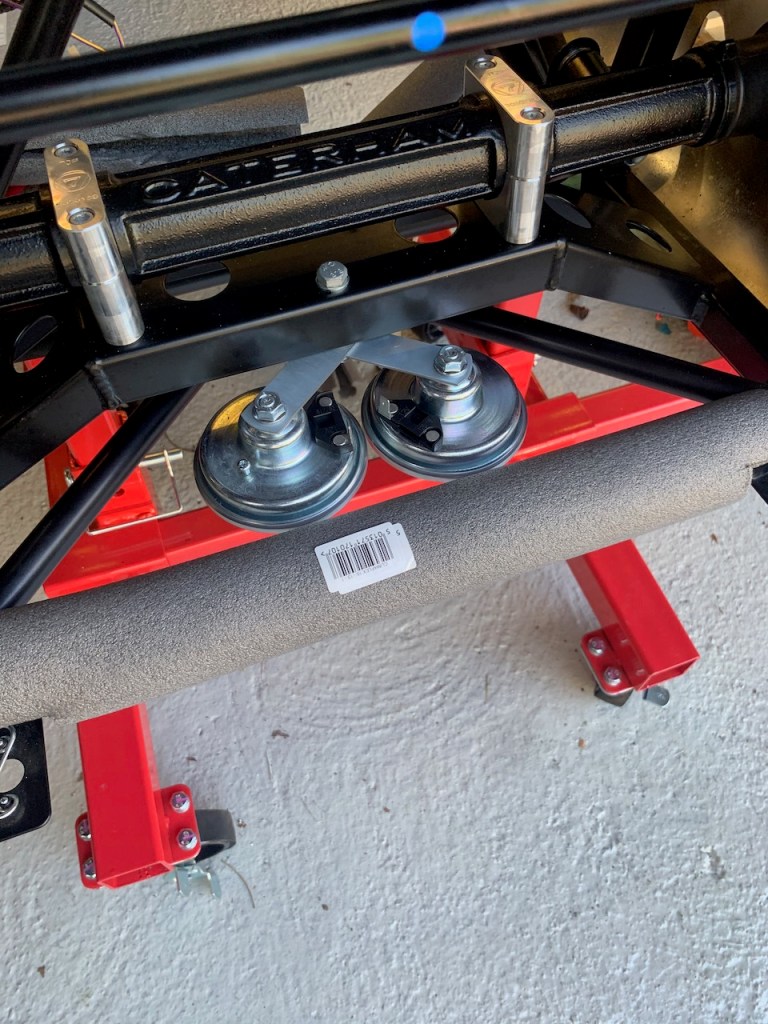
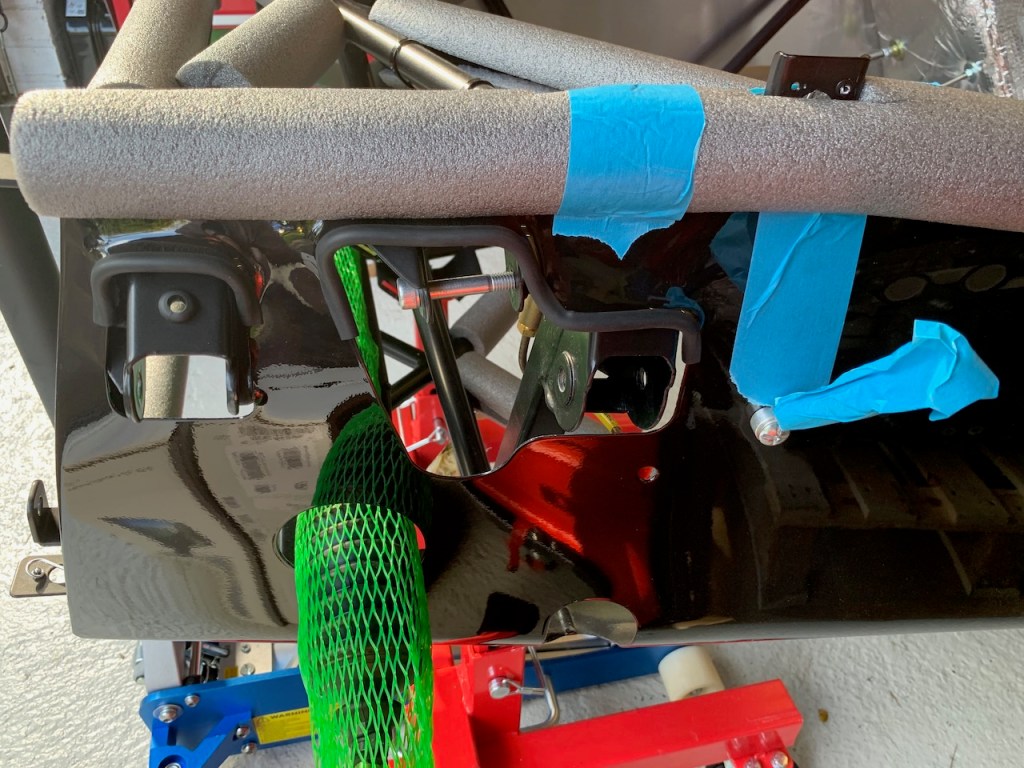
Horns: The horns on a 420R need to be suspended below the steering rack mount and I drilled an 8mm hole in the mount using a step drill as this gives a much cleaner hole.

The horns are identical and all that needs to be done is the loosen one of the mounting brackets and rotate it so that when both are fitted the spade connectors are close together. The horns are fitted using a long bolt and spacer.

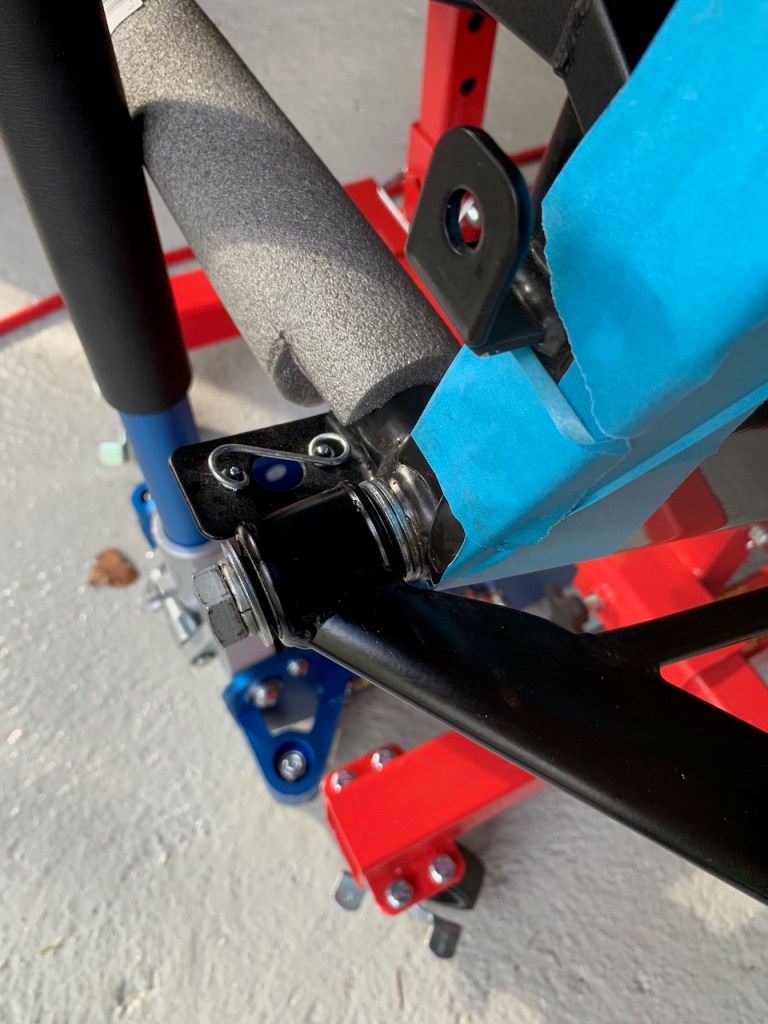
Cycle wing-stays: I do not have many pictures of this part of the build but the cycle wing stays are pretty simple to fit, the lower part fits on the back of the stub axle and the top part fits under the top wishbone mount. The only difficulty is that access to the wishbone nut is a little tight.

Build Day 1: Front Suspension

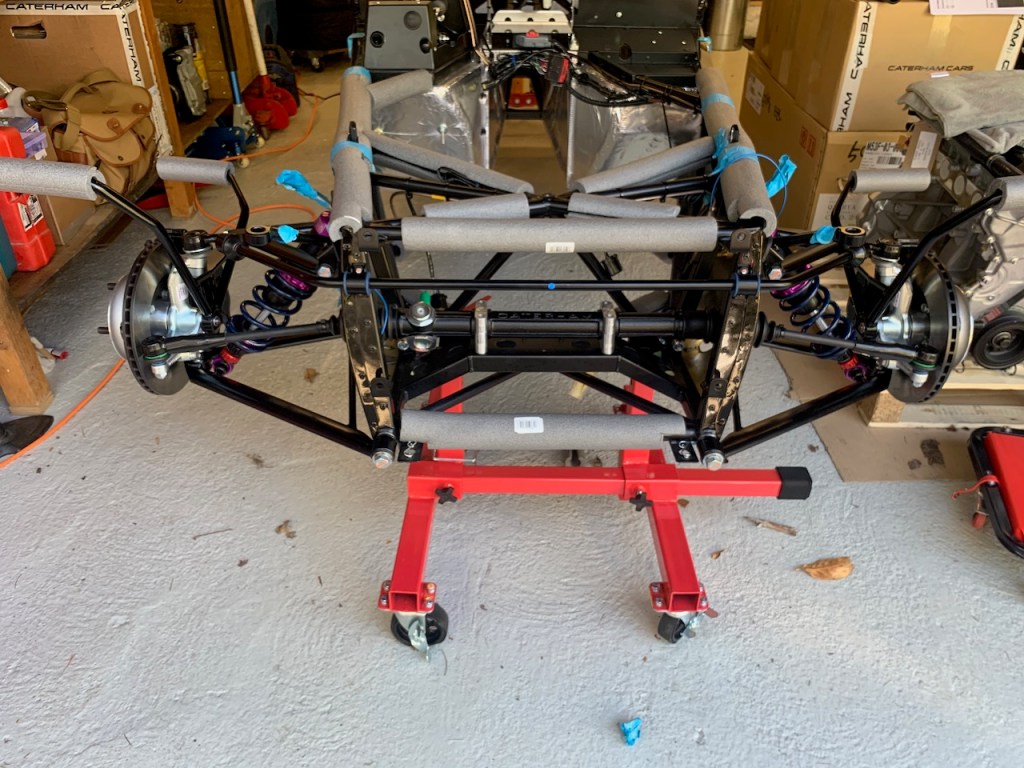
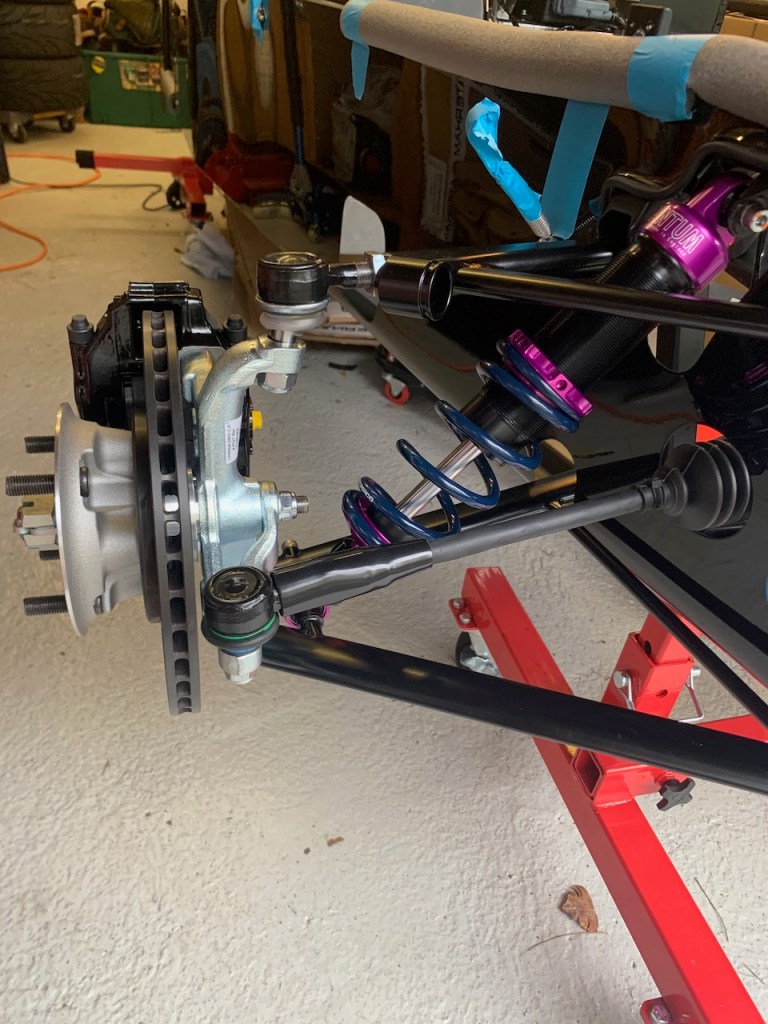
Seven’s are basically assembled from front to back so the first part of this build was to put the front suspension together starting with the front wishbones.

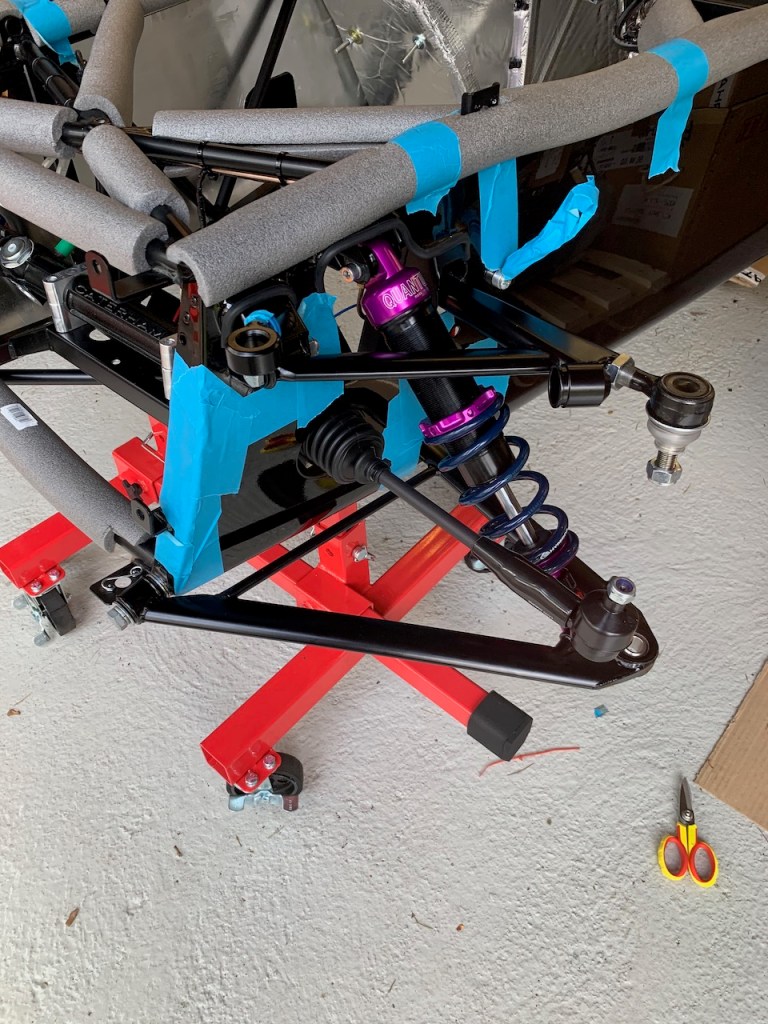
The wishbones are handed so we started with the right hand side. The first job was to find the nuts, bolts and large chamfered washers in the fittings pack. After that we applied copper grease to the bolts and checked they fit in the chassis.

The next step is to fit the chamfered washers. The chamfered washers control the castor and the recommended sequence is to fit 2 either side of the front lower wishbone bushing and 2 between the rear lower wishbone bushing and the chassis mount (ie 2-2-2).

The washers are a really tight fit and needed some persuasion to locate them before the bolt would pass through. The best technique seemed to be to apply plenty of copper grease and use a dead blow hammer to gently tap the washers into place whilst using a pin punch to hold the wishbone in place.

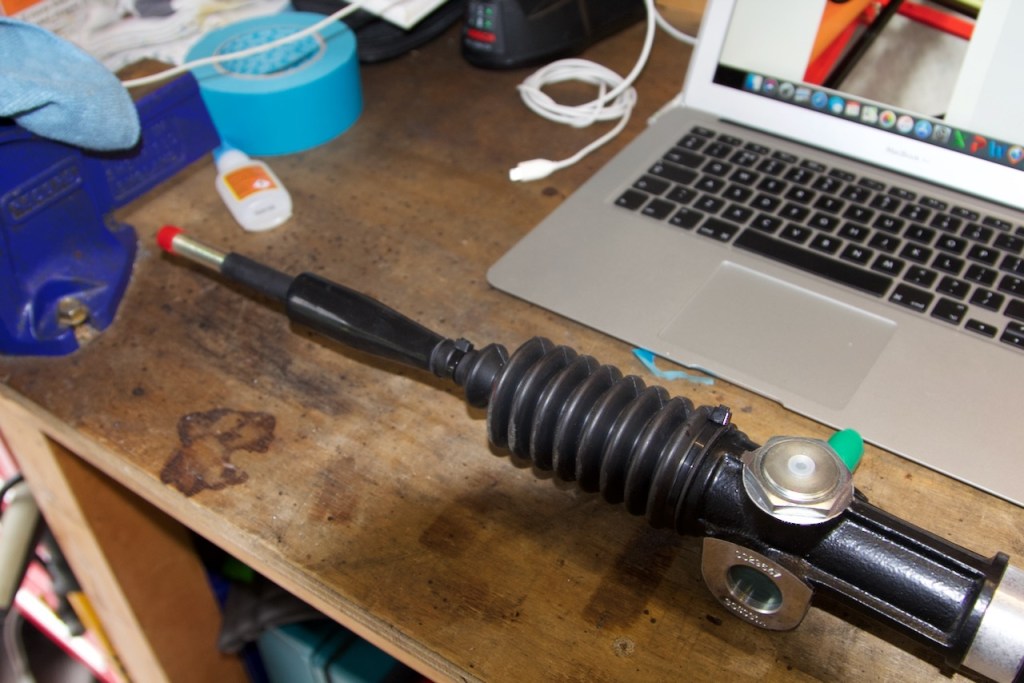
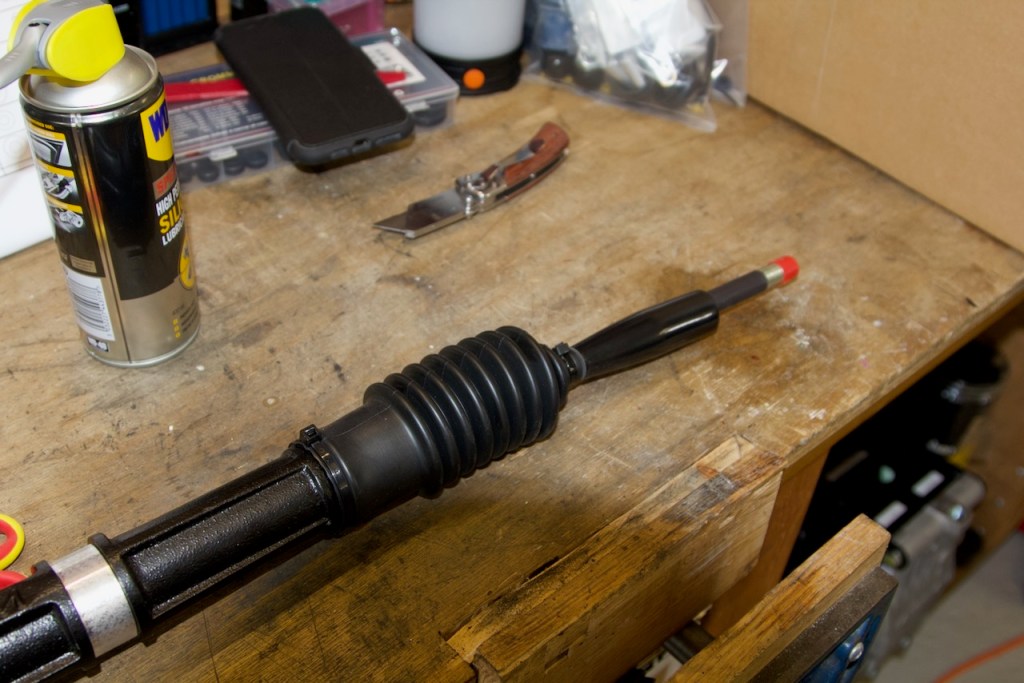
The steering rack is relatively easy to install but requires track rod end covers to be fitted before joining to the steering arm. I also decided to protect the exposed steering rod with some heat shrink tubing. This is covered by the gaitor at one end and the track rod cover at the other.

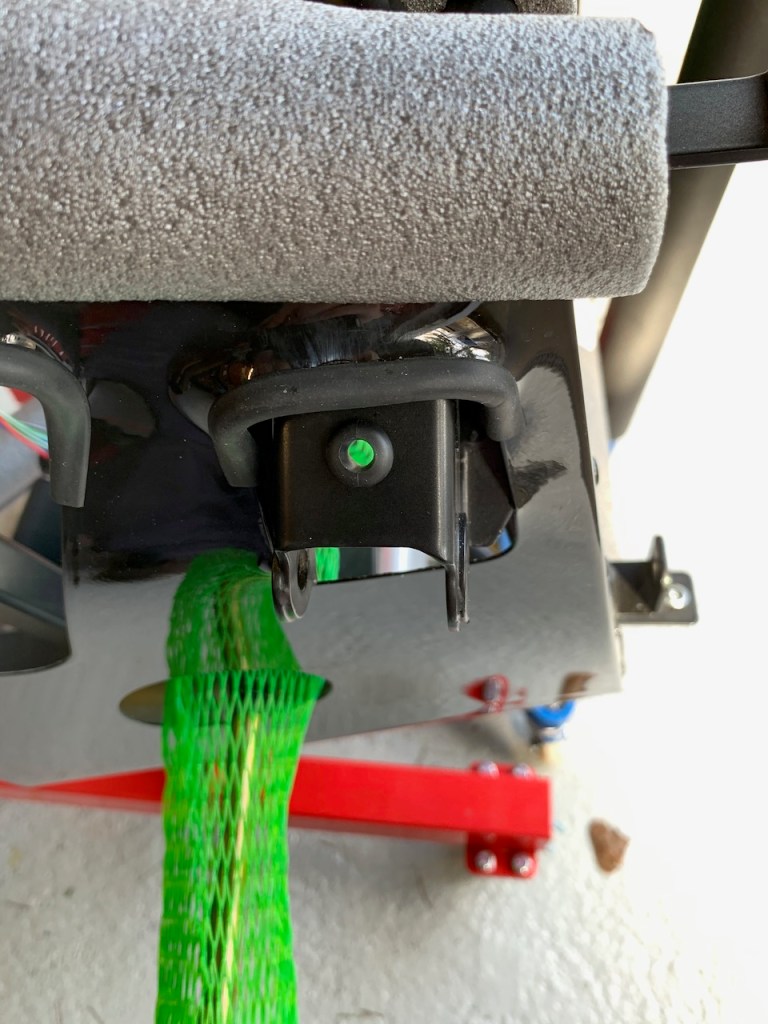
I also fitted a rubber grommet to the chassis mount as the headlight and indicator cables will exit from the underside of the chassis mount and need to be routed to the loom connection. I also passed a guide wire through each headlight mount – not sure it is necessary but it may come in handy later.

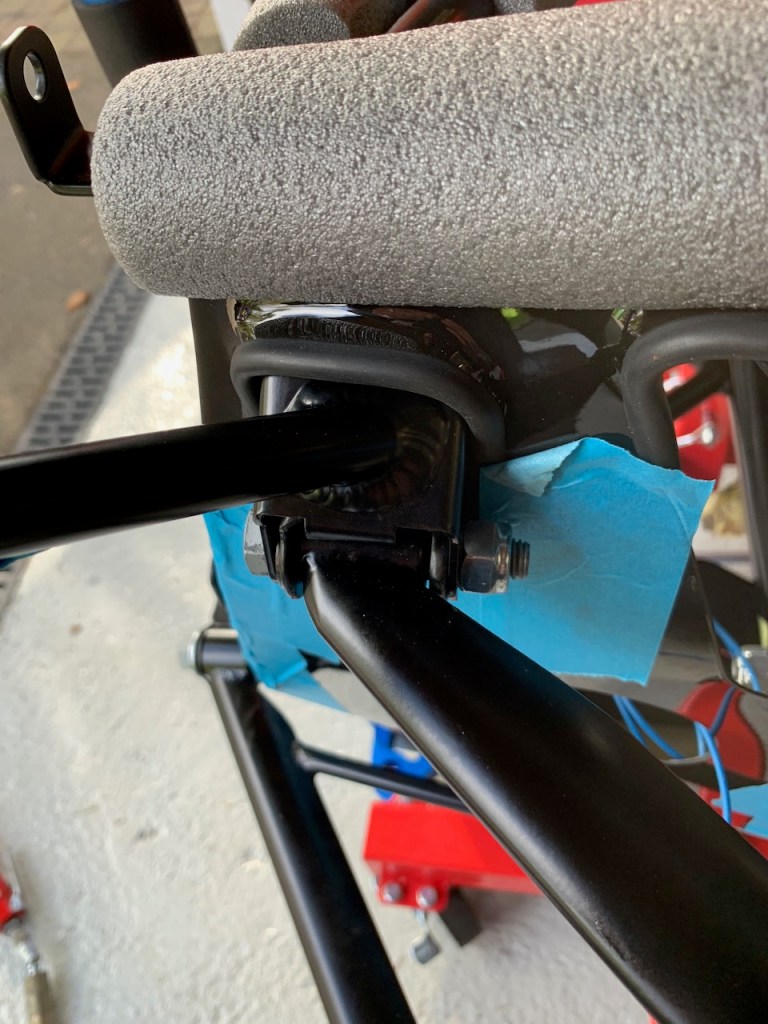
The headlight mounts are fitted to the front wishbone mount and required the ‘hook’ on the underside to be opened up a little to allow the front wishbone bolt to pass through.

The uprights are easy to install but the 4-pot callipers need a top-hat bush and ring spacer inserted into the lower wishbone mount.

The top upright nut will be tightened when the cycle wingstays are fitted so I just loosely fitted the Nyloc nut at this stage.

The lower wishbone bolt needs a half height nut otherwise the nyloc will not engage properly (the IVA inspector needs to see 1 or 2 threads protruding from the nut).

The next part of the build is to fit the anti-rollbar, horns and cycle wingstays.